Stripe dispute process — timeline, reason codes, and what happens when
How a Stripe dispute actually proceeds: the notification, the evidence deadline, the card-network decision, and what each dispute reason means for your response.
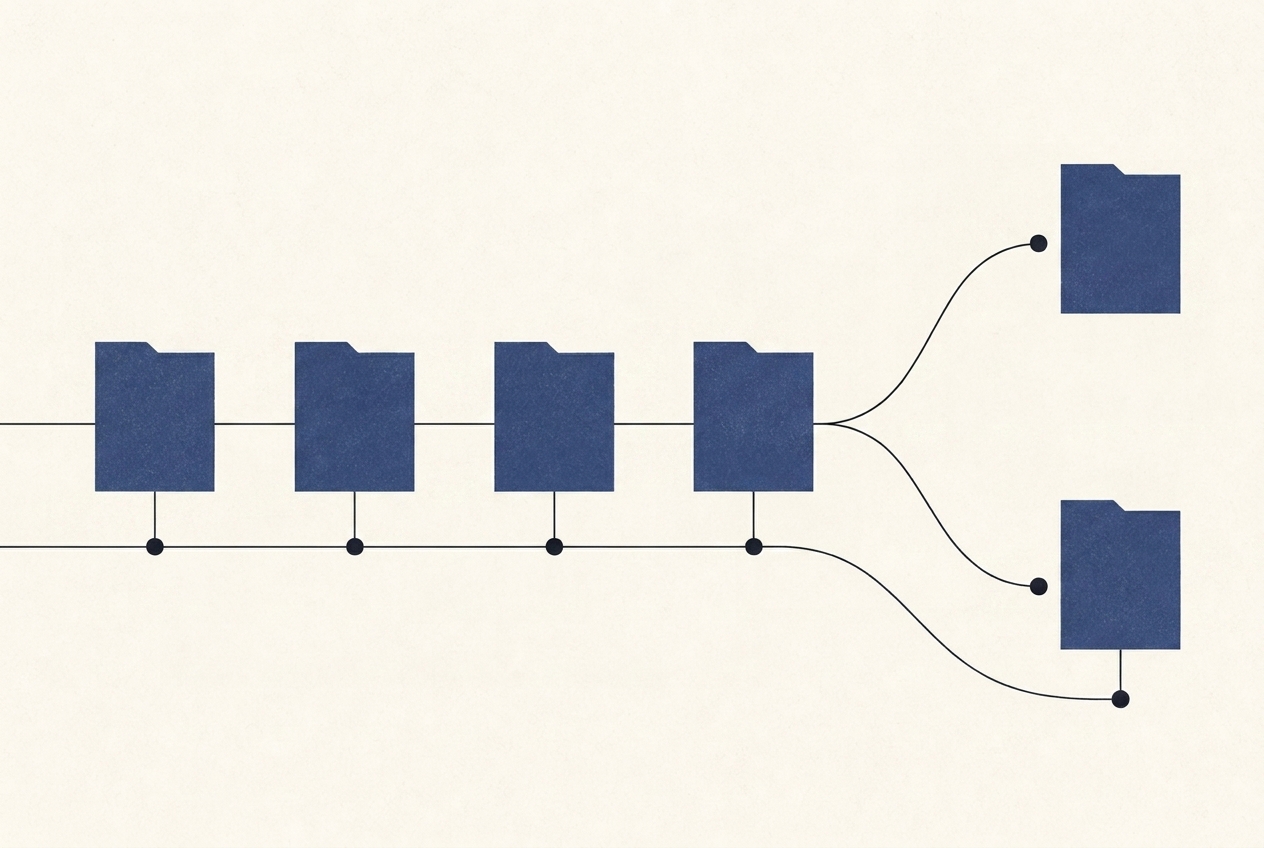
A dispute is a process with fixed deadlines and a decision-maker you never meet. Knowing the timeline is half the response.
Definition. A dispute (chargeback) begins when a cardholder challenges a charge with their bank. The bank reverses the funds immediately; the merchant then has one window to submit evidence through Stripe, and the card network’s decision is final. Stripe’s how disputes work is the canonical reference; this guide is the operational timeline.
The timeline
Day 0 — dispute created. The disputed amount plus the dispute fee leaves your Stripe balance immediately. You are notified by email, in the dashboard, and — if configured — by the charge.dispute.created webhook. The funds move first; the argument happens later.
Day 0–2 — triage. Three decisions to make: (1) Is this dispute winnable — do delivery and consent records exist? (2) Is it worth fighting — evidence assembly time against the amount? (3) Did the customer contact support first — is there a thread to attach? If you refund instead of fighting, still submit a response saying so; silence counts as losing.
By the evidence deadline (typically day 7–21). The deadline is issuer-imposed and shown per-dispute in the dashboard — it is not negotiable and Stripe cannot extend it. Submit once: the packet is forwarded to the network and cannot be amended afterward. Structure and wording are in the representment templates.
Day ~30–75 — network review. The issuing bank’s analyst reviews your packet against the cardholder’s claim. There is no interim status; charge.dispute.closed fires when it ends.
Decision. Won: the disputed amount returns to your balance. Lost: the reversal stands. Either way the dispute stays in your dispute rate — the metric that matters for account standing. Win or lose, a rate approaching 1% of transactions draws monitoring programs and reserve discussions.
Dispute reasons, decoded
The reason code the bank assigns determines what evidence wins. The five you will actually see:
| Reason | Cardholder claims | Winning evidence |
|---|---|---|
fraudulent | ”I didn’t make this charge” | 3DS result, CVC/AVS match, post-purchase usage logs |
product_not_received | ”It never arrived” | Tracking + delivery scan; for digital: download/activation logs |
product_unacceptable | ”Not as described / defective” | Product page snapshot, support thread, replacement offer |
subscription_canceled | ”I canceled and was still charged” | Cancellation flow records, billing-cycle disclosure, last-login date |
unrecognized | ”I don’t recognize this charge” | Clear billing descriptor, receipt email, order details |
Two structural notes:
fraudulentis the default. Banks assign it when the cardholder gives no detail, so a large share of “fraud” disputes are actually forgotten purchases or family members. Usage evidence beats fraud claims.unrecognizedis preventable. If your billing descriptor says a parent-company name instead of the brand the customer bought from, you are generating this reason yourself. Fix the descriptor before optimizing evidence.
What the process punishes
- Missing the deadline. The single most common loss. The dispute closes against you regardless of merit.
- Amending after submission. Not possible — the “one shot” nature surprises merchants used to email threads. Assemble completely, then submit.
- Fighting everything. Weak packets on unwinnable cases cost hours and don’t move the dispute-rate metric. Triage at day 0–2 exists to spend effort where the evidence is strong.
- Treating won disputes as closure. A won dispute still counts toward your dispute rate. The durable fix is upstream: descriptors, disclosure, and the pre-dispute support path.
Reduce the intake
Most disputes are preventable at the website layer: a visible refund policy, clear subscription disclosure, and a support email that answers faster than a bank’s dispute form. The free scan checks those pages the way a reviewer — or a frustrated customer — encounters them.
Frequently asked
- How long does a Stripe dispute take to resolve?
- From evidence submission to a card-network decision is typically 60 to 75 days, occasionally longer. The decision is final — there is no appeal in the standard flow.
- Does Stripe decide who wins?
- No. Stripe forwards your evidence to the card network; the issuing bank decides. Stripe neither judges the case nor influences the outcome.
- What is the dispute fee?
- Stripe charges a per-dispute fee (15.00 USD for most US accounts) when the dispute is created. Depending on your account's dispute settings and country, it may be returned if you win.
- Can a customer withdraw a dispute?
- Yes — but only their bank can formally close it. Even with a withdrawal promise, submit your evidence before the deadline; unanswered disputes close against you.